

Many parents worry when their child seems to fall sick again and again. Frequent colds, coughs, fevers, or infections can be exhausting for families and uncomfortable for children. It is natural to wonder whether something more serious is going on.

Many parents worry when their child seems to fall sick again and again. Frequent colds, coughs, fevers, or infections can be exhausting for families and uncomfortable for children. It is natural to wonder whether something more serious is going on.
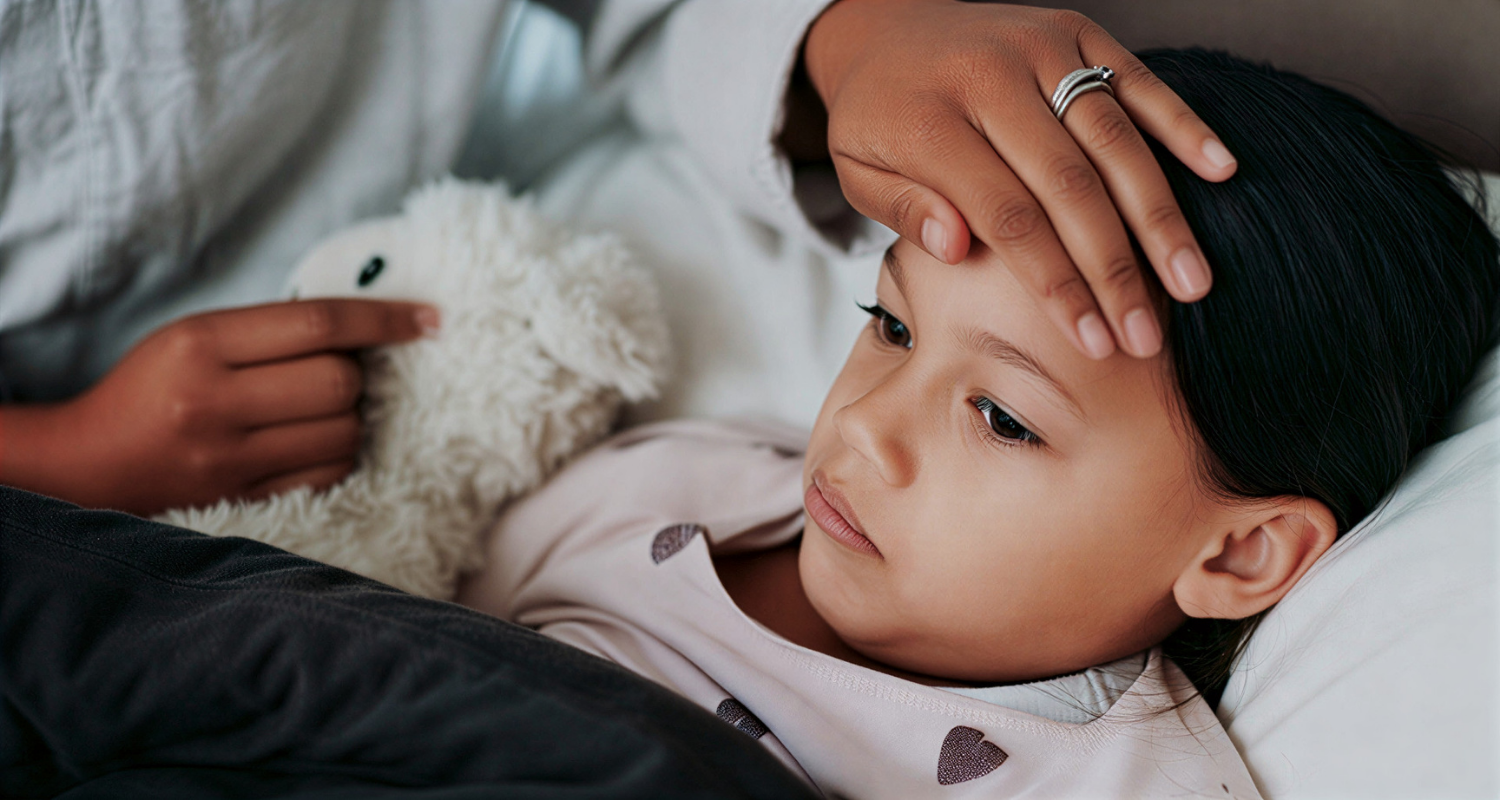
Many parents worry when their child seems to fall sick again and again. Frequent colds, coughs, fevers, or infections can be exhausting for families and uncomfortable for children. It is natural to wonder whether something more serious is going on.
At his pediatric practice, Dr. Mahesh Katre helps parents understand why infections keep returning and supports children with calm, careful evaluation and long-term guidance.
The focus is not just on treating each illness, but on understanding the bigger picture.
Repeated infections mean a child falls sick more often than expected for their age.
Young children, especially those in daycare or school, are exposed to many germs. In many cases, frequent infections are a normal part of growing immunity.
These signs deserve careful attention and reassurance.
In most cases, the immune system strengthens naturally with time.
Care is thoughtful, gentle, and child-friendly.
Parents are clearly told when to worry and when to feel reassured.
Small, consistent steps can help reduce illness frequency over time.
Early evaluation helps rule out problems and provides peace of mind.
Many children who fall sick often in early years grow into healthy, strong children as their immune system matures. Frequent infections do not always mean weak immunity.
Having the right guidance helps families feel confident and supported.
Yes. Young children can have several infections a year, especially when starting nursery or school.
Not always. Most children build immunity gradually through exposure to common germs.
Only if needed. Tests are recommended carefully and explained clearly to parents.
Yes. Balanced nutrition, good sleep, and healthy routines support a child’s immune system.
No. Many infections are viral and do not need antibiotics. Avoiding unnecessary antibiotics is important.
In many cases, yes. As children grow, their immune system becomes stronger and infections become less frequent.