

Food allergies can feel frightening. A small bite can lead to rashes, vomiting, breathing difficulty, or sudden fear around meals. Over time, this anxiety can affect a child’s nutrition, confidence, and even family routines.

Food allergies can feel frightening. A small bite can lead to rashes, vomiting, breathing difficulty, or sudden fear around meals. Over time, this anxiety can affect a child’s nutrition, confidence, and even family routines.
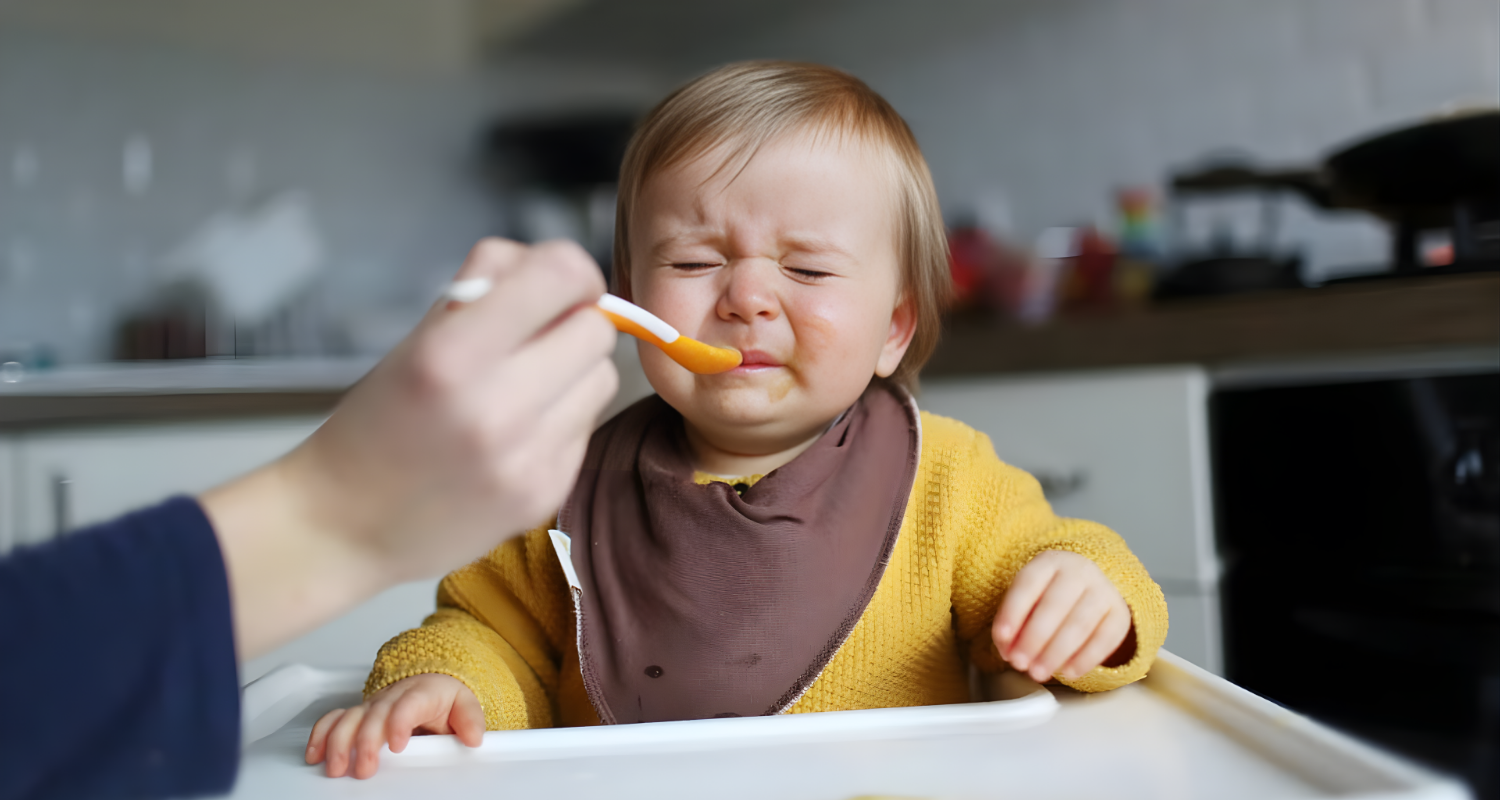
Food allergies can be frightening for parents. A small bite can lead to rashes, vomiting, breathing difficulty, or fear around meals. Over time, this anxiety can affect a child’s nutrition, confidence, and family life.
At Dr. Mahesh Katre’s pediatric practice, food allergy care is focused on keeping children safe and helping parents feel confident, not overwhelmed.
Every child is handled gently. Every parent receives clear answers.
A food allergy happens when a child’s immune system reacts to a specific food as if it were harmful. This reaction can happen immediately or within a few hours after eating.
Some children outgrow certain food allergies, such as milk or egg. Others, like peanut or tree nut allergies, may last longer. The good news is that modern allergy care and desensitisation options are helping many children live more normal lives.
If reactions happen repeatedly after certain meals, proper evaluation is important.
The process begins with listening carefully.
Not every positive test means a true allergy. Parents are guided clearly so unnecessary food restrictions are avoided.
Managing food allergies is about safety and confidence.
In suitable cases, oral immunotherapy or desensitisation options may be discussed carefully to reduce reaction risk.
One of the biggest worries parents have is trying new foods after a reaction.
Parents are never asked to experiment alone. Every step is guided.
The aim is to protect both health and emotional wellbeing.
Food allergy care is a journey. Families are supported at every stage.
Many children outgrow milk or egg allergies. Others may persist longer. Regular follow-up helps track progress.
No. Tests must be interpreted carefully along with your child’s symptoms.
When done under specialist supervision, it is carefully monitored and discussed in detail before starting.
Yes. With proper planning and guidance, children with food allergies can attend school safely.
You will receive a clear action plan explaining what to do step by step.
With proper guidance, children can maintain a balanced diet and healthy growth.