

When your child keeps rubbing their eyes, wakes up with redness, or complains that their eyes are itchy or burning, it can be uncomfortable and worrying. Many parents are unsure whether it is an infection or something more serious.

When your child keeps rubbing their eyes, wakes up with redness, or complains that their eyes are itchy or burning, it can be uncomfortable and worrying. Many parents are unsure whether it is an infection or something more serious.
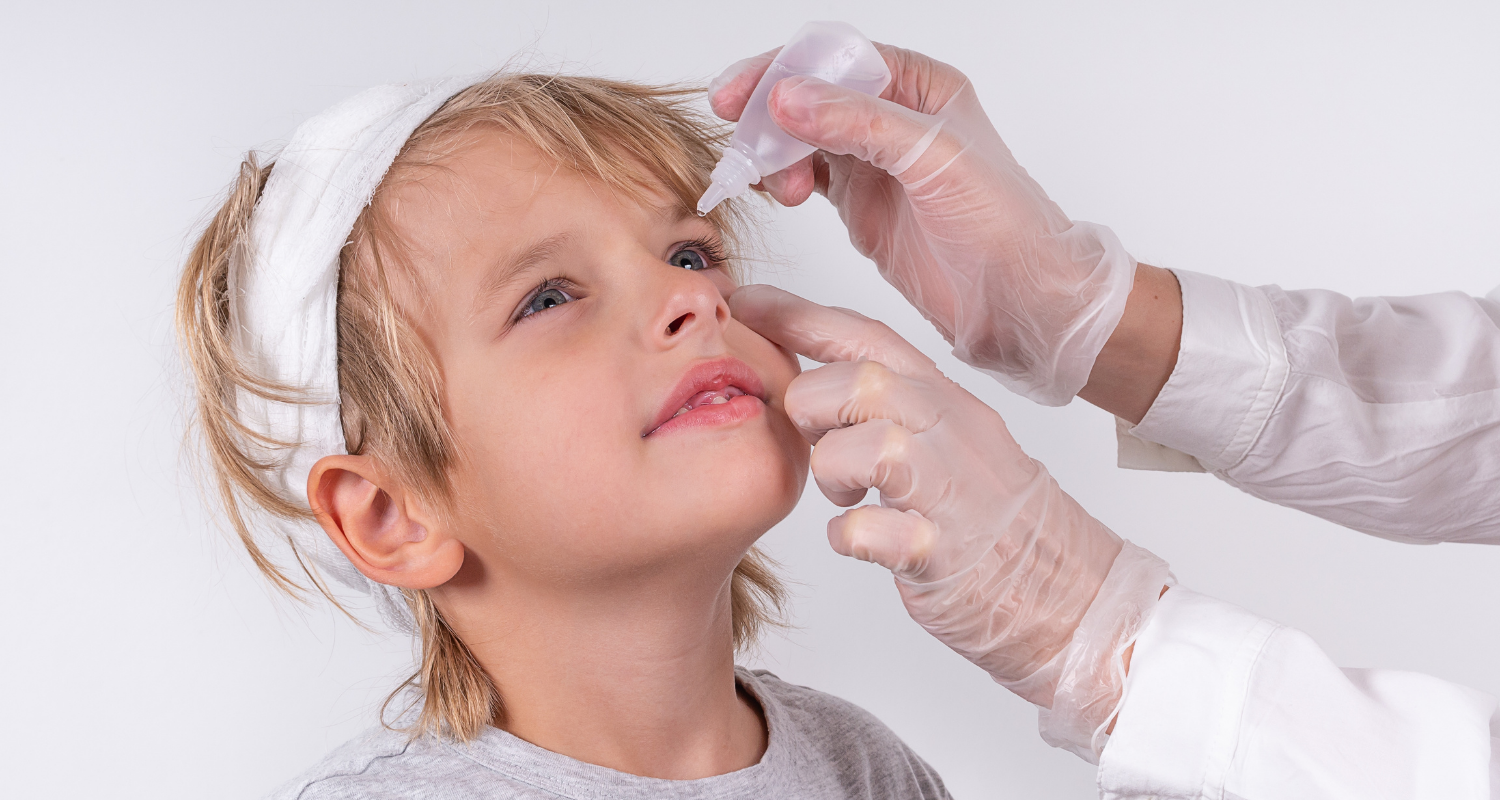
When your child keeps rubbing their eyes, wakes up with redness, or complains that their eyes are itchy or burning, it can be uncomfortable and worrying. Many parents are unsure whether it is an infection or something more serious.
In many children, the cause is an eye allergy.
At his clinic, Dr. Mahesh Katre provides calm, child-friendly care to relieve symptoms and prevent repeated flare-ups. The goal is simple – help your child feel comfortable and help you understand what is happening.
Allergic conjunctivitis happens when the eyes react to allergens in the environment.
Unlike infections, allergic conjunctivitis is not contagious. It cannot spread from one child to another.
Children who have asthma, eczema, or nose allergies are more likely to develop eye allergies as well.
Children may struggle to explain what they feel, but repeated rubbing is often the biggest clue.
The examination is gentle and reassuring.
Testing is suggested only when it helps guide treatment.
Parents are guided clearly so there is no confusion.
Treatment focuses on reducing itching and preventing flare-ups.
Most children respond very well with simple, consistent care.
Small improvements can make a big difference in daily comfort.
Parents leave knowing what to expect and how to manage symptoms at home.
It is usually not serious, but it can be very uncomfortable. Early treatment helps prevent worsening symptoms.
No. Pink eye caused by infection often includes discharge and may come with fever. Allergic conjunctivitis mainly causes itching and watering.
No. It does not spread between children.
Not always. Many children need treatment only during allergy seasons or flare-ups.
When managed properly, it does not cause long-term damage.
Yes. It may return during certain seasons or exposure to triggers. Preventive care helps reduce flare-ups.