

Seeing your child have a fit or seizure can be one of the most frightening experiences for any parent. Even a short episode can leave families feeling shocked, helpless, and anxious about what might happen next.

Seeing your child have a fit or seizure can be one of the most frightening experiences for any parent. Even a short episode can leave families feeling shocked, helpless, and anxious about what might happen next.
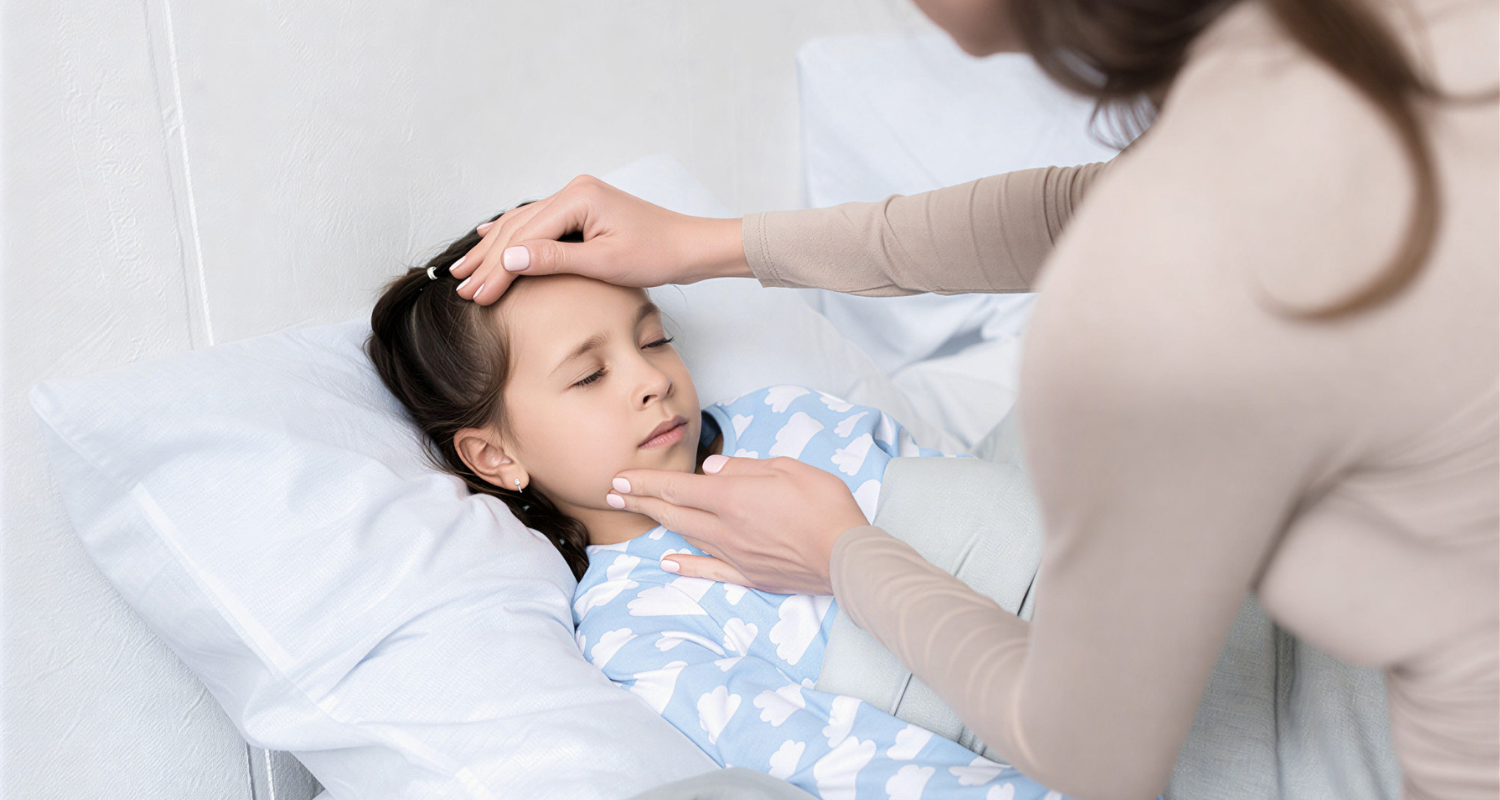
Seeing your child have a fit or seizure can be one of the most frightening experiences for any parent. Even a short episode can leave families feeling shocked, helpless, and anxious about what might happen next.
At his pediatric practice, Dr. Mahesh Katre provides gentle, careful evaluation and clear explanations, helping parents understand what happened and how to keep their child safe and well.
The focus is always on reassurance, safety, and supporting the family at every step.
A fit or seizure happens when there is a sudden change in brain activity.
In children, seizures can occur for many reasons, and not all seizures mean a long-term problem.
Many children who experience a seizure recover fully and never have another episode.
Every seizure can look different, which is why proper medical assessment is important.
Care is calm, child-friendly, and reassuring.
Parents are encouraged to ask questions and are never rushed.
Clear instructions help parents feel more prepared if another episode occurs.
Early evaluation helps determine whether monitoring or further care is needed.
Many seizures in children are temporary and related to fever or illness.
With the right guidance and follow-up, most children do very well.
Having a pediatrician who explains calmly and supports your family can ease fear and uncertainty.
Yes. Seizures, especially fever-related seizures, are relatively common in young children and often do not cause long-term problems.
No. A single seizure does not mean epilepsy. Many children have isolated seizures and never experience another episode.
Not always. Medication is considered only if seizures are recurrent or ongoing. This is always discussed clearly with parents.
Yes. Febrile seizures can happen in young children during high fever and are usually harmless, though frightening to witness.
Parents are guided clearly on first aid steps and when to seek urgent medical care.
Most children who have had a seizure continue to grow, play, and learn normally.